
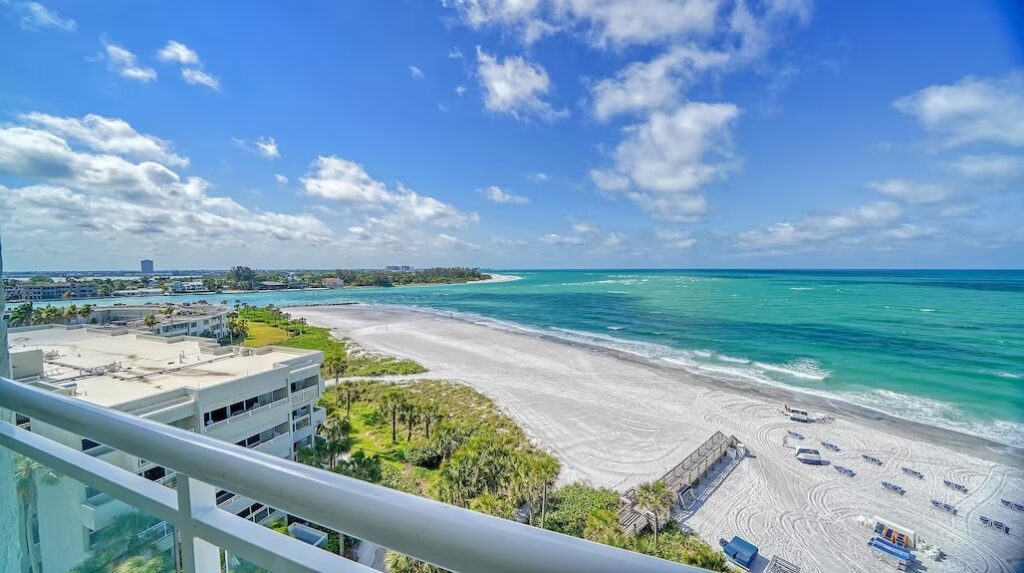
Every May, something shifts in Sarasota. The snowbirds head north, the humidity climbs, and the Gulf starts warming up. For year-round residents, it’s the signal to prepare for the season that runs from June through November — hurricane season — alongside everything else Florida summers bring: intense heat, afternoon storms, and the kind of slow-rolling health risks that most people don’t think about until they’re already dealing with them.
For seasonal residents heading home for the summer, it’s also the moment to make sure you’re not leaving Sarasota without the things that protect your health when you’re away.
Dr. Carlos Caballero and Dr. Jose Santana at Private Physician Services see both groups every spring. This checklist reflects what they consistently want patients to take care of before the season turns — and why each item matters more than most people realize.
If You’re a Seasonal Resident Heading North: Do These Before You Leave Sarasota
The transition out of Sarasota is the right time to close out your healthcare loose ends — not because something is wrong, but because it’s much easier to handle things with your Sarasota physician in person than to navigate them from a distance.
1. Schedule a Pre-Departure Visit
A pre-departure appointment with Dr. Caballero or Dr. Santana is arguably the highest-value thing you can do before heading north. Use it to review any test results that came in since your last visit, address anything that’s been nagging at you, and align on a plan for the months ahead. It’s also the time to discuss whether any new symptoms or findings need follow-up — better to start that conversation now than to try to coordinate care across two states.
2. Review and Refill All Medications
- Request a 90-day supply of all prescriptions so you’re not scrambling to find a pharmacy or transfer records shortly after arriving home.
- Confirm that all medications are current — no renewals pending, no refills about to lapse.
- If any medications require prior authorization or specialty ordering, initiate that process before you leave. These take time.
- Ask your physician to review your full medication list together. Interactions and dosage adjustments are much easier to catch in person.
3. Update Your Health Records and Carry a Summary
One of the most underestimated risks of seasonal living is fragmented medical records. If you need care in another state — a fall, a cardiac event, an acute illness — the emergency team treating you will ask about your history, medications, allergies, and conditions. A clear, current one-page medical summary can make a meaningful difference in the care you receive.
Ask PPS to prepare an updated health summary you can carry with you. It should include: current diagnoses, all medications with dosages, allergies, recent significant test results, and the names and contact information of your Sarasota physicians.
4. Establish or Reconnect with a Northern Provider
Your concierge relationship with PPS gives you direct physician access by phone — and Dr. Caballero and Dr. Santana are reachable when you’re away. But for anything that needs hands-on evaluation, you’ll need a local provider in your summer location. If you don’t have one, before you leave is the right time to establish that relationship, not after something goes wrong.
Your PPS physician can coordinate directly with a northern provider and share your records, making the handoff seamless.
5. Confirm Your Sarasota Physician Can Reach You
Make sure PPS has your summer address, your updated cell number, and any secondary contact information. If a test result comes back or a follow-up is needed, the last thing you want is for your physician’s office to be reaching a disconnected number.
Snowbird Pre-Departure Checklist
| ✓ | Task | Done |
| □ | Schedule a pre-departure appointment with Dr. Caballero or Dr. Santana | |
| □ | Request 90-day prescription supplies for all medications | |
| □ | Confirm no medication refills or authorizations are pending | |
| □ | Obtain an updated health summary document to carry with you | |
| □ | Establish or re-establish contact with a northern healthcare provider | |
| □ | Provide PPS with your summer address and updated contact information | |
| □ | Confirm any outstanding referrals or specialist appointments before departing | |
| □ | Review any pending test results with your physician |
If You’re Staying in Sarasota Year-Round: What to Prepare Before Summer Peaks
Florida summers are genuinely demanding on the body. The combination of high heat, high humidity, and the physical and logistical stress of hurricane season creates health risks that are easy to underestimate until you’re in the middle of one.
Heat-Related Illness: More Serious Than Most People Think
Sarasota summers regularly see heat index values above 100°F, and heat-related illness exists on a spectrum that starts well before you feel like you’re in danger. Heat exhaustion and heat stroke are medical emergencies — but they’re often preceded by days of mild dehydration, fatigue, and reduced heat tolerance that people push through without recognizing the pattern.
Who is at highest risk:
- Adults over 65, whose bodies regulate temperature less efficiently
- Patients taking diuretics, blood pressure medications, antihistamines, or antidepressants — several common medications affect heat tolerance and hydration
- Anyone with heart disease, diabetes, kidney disease, or respiratory conditions
- People who are not yet acclimatized to the heat at the start of summer
What to discuss with your physician before summer: Ask whether any of your current medications affect heat tolerance or hydration. Ask what your personal warning signs are given your health history. Know the difference between heat exhaustion (heavy sweating, weakness, cool/pale skin, fast/weak pulse, nausea) and heat stroke (high body temperature, hot/red skin, rapid/strong pulse, possible unconsciousness) — the latter is a 911 emergency.
Medication Storage in Heat and Humidity
This is one of the most commonly overlooked summer health issues in Florida. Many medications degrade when exposed to high temperatures — and “store at room temperature” was written for climates where room temperature doesn’t routinely hit 80°F+ with the power out.
- Insulin and injectable medications: Highly heat-sensitive. Have a plan for keeping these temperature-controlled during a power outage. Discuss options with your physician well before hurricane season.
- Thyroid medications, heart medications, and certain antibiotics: Can lose potency when stored in hot, humid conditions (including bathrooms and cars). Store in a cool, dry location.
- Ask your pharmacist and physician: Before June, review which of your medications are heat-sensitive and what the plan is if you lose power for 48–72 hours — a realistic scenario after a direct storm hit.
Hurricane Season Health Preparedness
Most hurricane preparedness guides focus on food, water, and evacuation routes. Your medical preparedness deserves the same level of planning.
- Maintain at least a 7–14 day supply of all critical medications at all times during hurricane season (June–November). Don’t wait until a storm is named.
- Keep a printed copy of your medication list, conditions, physician contacts, and insurance cards in your go-bag. Digital records are inaccessible when your phone is dead or data is down.
- Know your evacuation plan and identify a healthcare facility along your evacuation route if you have conditions that may need monitoring.
- If you use home medical equipment (oxygen concentrators, CPAP machines, home dialysis), register with the Sarasota County Special Needs Shelter program before storm season.
- Have your physician’s direct number saved and accessible. In a concierge practice, this matters — you can reach Dr. Caballero or Dr. Santana directly rather than navigating a phone tree during a crisis.
Hydration, Sun Exposure, and Skin Health
These feel basic, but they’re responsible for a significant share of summer health problems that bring Sarasota patients to urgent care and emergency rooms.
- Drink water before you feel thirsty — thirst is a late indicator of dehydration, particularly in older adults.
- Avoid outdoor activity between 10 a.m. and 4 p.m. during peak summer heat when possible.
- Broad-spectrum SPF 30+ sunscreen, reapplied every two hours during outdoor activity, is non-negotiable in a Florida summer.
- Summer is also an ideal time to schedule a skin check, especially if you’ve had significant sun exposure over the years. Melanoma rates in Florida are among the highest in the country.
Year-Round Resident Summer Health Checklist
| ✓ | Task | Done |
| □ | Discuss heat tolerance and medication interactions with your physician before June | |
| □ | Identify which medications require special storage during power outages | |
| □ | Build a 7–14 day emergency medication supply before hurricane season begins | |
| □ | Prepare a printed medical summary and medication list for your go-bag | |
| □ | Schedule a summer skin check if not done in the past 12 months | |
| □ | Confirm your home medical equipment plan for extended power outages (if applicable) | |
| □ | Register with Sarasota County Special Needs Shelter program if required | |
| □ | Review personal heat illness warning signs with your physician |
Why a Concierge Physician Makes This Easier — Year-Round and Away
Everything in this checklist is manageable with a physician who knows you, has time for you, and is reachable when you need them. That’s exactly what concierge medicine is built for.
In a traditional primary care practice, getting a pre-departure appointment on short notice before you leave for the summer can mean waiting two to three weeks — or it doesn’t happen at all. Medication reviews get rushed. Questions about hurricane preparedness don’t fit neatly into a 10-minute visit. And if you’re sitting in Maine in August wondering whether a symptom warrants a trip to an urgent care clinic, you’re calling a patient hotline, not your doctor.
At Private Physician Services, the model is built around access and continuity:
- Same-day or next-day appointments in May and June mean pre-departure and pre-summer visits happen when they’re most useful.
- Extended appointments mean medication reviews, health summaries, and hurricane prep conversations don’t get cut short.
- Direct physician access by phone means that when you’re in Connecticut in July and something doesn’t feel right, Dr. Caballero or Dr. Santana can help you assess it — and decide whether it needs local attention or can wait until you return.
- Continuity of care across seasons means your physicians know your full history, your risk factors, and your baseline — so when something changes, they can recognize it.
Schedule Your Pre-Season Appointment
Whether you’re heading north for the summer or staying through hurricane season, May and early June are the right time to check in with your physician. The things on this checklist are straightforward to address proactively — and considerably more difficult to address reactively.
Private Physician Services is located at 1250 S. Tamiami Trail, Suite 402, Sarasota, FL 34239. Reach us at (941) 917-8365 or visit our contact page to schedule your pre-season appointment. There’s no waiting room, no rushed visit, and no better time than now.
Frequently Asked Questions
Can my PPS physician help me coordinate care when I’m out of state for the summer?
Yes. One of the core advantages of a concierge practice is direct physician access regardless of where you are. Dr. Caballero and Dr. Santana are reachable by phone and can help you assess symptoms, coordinate with northern providers, and manage prescription needs remotely during the summer months.
What should I do if I lose power during a hurricane and have heat-sensitive medications?
This is something to plan for before the storm, not during it. Talk to your PPS physician before hurricane season about which of your medications are temperature-sensitive and what your contingency options are — including whether a short-term supply at an alternate storage location makes sense for your situation.
How far in advance should I schedule a pre-departure appointment?
As a PPS patient, same-day and next-day appointments are available — so you’re not locked into a specific window. That said, if you want a longer appointment to cover a full medication review and health summary, scheduling two to three weeks before your planned departure date gives you time to follow up on anything that comes up.
Is hurricane season health preparedness something my concierge physician can actually help with?
Absolutely. Medication planning, emergency supply guidance, heat illness risk assessment, and coordination of care during and after a storm are all things your PPS physicians are equipped to discuss. It’s exactly the kind of proactive, practical health planning that concierge medicine is designed for.
